Upper arm fracture in the elderly
An upper arm fracture, also known as a humerus fracture, is a serious injury that is common among older people. This type of fracture usually occurs after a fall, and as we age, bones gradually weaken, which increases the risk of injury. An upper arm fracture can have a major impact on the daily life of an older person, as it reduces mobility and independence.
In this blog, we will explain in detail what an upper arm fracture is, how to recognise the symptoms, what recovery looks like after such a fracture, what treatment and rehabilitation options exist, and the types of upper arm fractures.
What is an upper arm fracture?
An upper arm fracture refers to an injury to the bone in the part of the arm between the elbow and the shoulder. This injury can be caused by a fall, a direct blow, or even osteoporosis, which weakens the bones and makes them more prone to breaking.
Older people are especially vulnerable to this type of injury because, as we age, bones become weaker and balance and mobility may be reduced.
An upper arm fracture (or humerus fracture) can be serious, as it interferes with daily activities such as dressing, cooking, and walking. The joints in this part of the arm, such as the elbow and shoulder, can become stiff or painful after the injury, which can significantly affect arm function.
Osteoporosis can be one of the main factors that increases the risk of fractures, as osteoporotic bones break more easily, making older people more prone to injuries like upper arm fractures.
Symptoms of an upper arm fracture
The symptoms of an upper arm fracture can vary depending on the severity of the injury, but they most often include
- Severe pain in the upper arm that worsens when moving the arm.
- Swelling and bruising at the fracture site.
- Inability to move the arm or restricted movement (the ability to move the arm is limited due to the injury).
- A visible deformity at the fracture site, which may indicate a bone displacement, known as a dislocation.
- Increased warmth around the injured area, which can be a sign of infection (especially if the fracture is open).
If you notice these symptoms in your parent or an elderly person, seek medical attention or emergency care immediately.
Recovery from an upper arm fracture
Recovery from an upper arm fracture is a lengthy process that requires patience and professional care.
This process involves several stages
- Immobilisation stage – In the first days after the fracture, the arm will be immobilised with a cast or a sling. This stage allows the bone to heal, but it can be painful and requires complete attention and rest.
- Rehabilitation stage – Once the bone has stabilised, rehabilitation begins. Physiotherapy is essential at this stage to restore joint mobility and reduce pain.
- Post-operative stage (if surgery was required) – If surgery was necessary, recovery will also include post-operative care and rehabilitation.
Surgery for an upper arm fracture
In many cases, especially if the fracture involves bone displacement, surgery may be necessary. The goal of surgery is to properly align the bones and stabilise the fracture, allowing it to heal correctly. The procedure may involve the use of plates and screws to hold the bone in place during the healing process. In some cases, metal or titanium implants are used to provide extra stability and ensure optimal joint function.
The operation usually lasts several hours and requires anaesthesia. Post-operative recovery may involve pain, immobilisation of the arm with a cast or other support devices, and regular check-ups with the doctor to ensure proper healing and prevent possible complications. Depending on the type of fracture, recovery after surgery can take several months. During this time, it is important to monitor the patient’s condition regularly to ensure successful healing and avoid complications.
Fractures like this are common among older people, and proper treatment is essential to reduce the risk of additional injuries, such as hip fractures, which can also pose a serious challenge for the elderly.
Treating an upper arm fracture
Treatment for an upper arm fracture depends on the severity of the injury. If the fracture is simple and without bone displacement, the doctor may recommend immobilisation with a cast. However, in more severe cases, such as fractures with bone displacement, surgery may be necessary.
Alongside medical treatment, it is also important to provide emotional support to the older person during recovery, as these injuries can cause frustration and anxiety due to reduced mobility.
Types of upper arm fracture
There are different types of upper arm fractures, usually classified according to the severity of the injury
- Fracture with bone displacement – This type occurs when the bones are not properly aligned, requiring surgery.
- Fracture without bone displacement – The bones remain in their original position, so immobilisation with a cast is usually sufficient.
- Open fracture – In this case, the bone pierces the skin, which increases the risk of infection and requires urgent medical attention.
- Fracture in older people with osteoporosis – In older individuals with osteoporosis, bones are weaker and more prone to fractures, even from minor injuries.

Rehabilitation after an upper arm fracture in the elderly
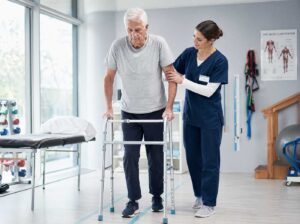
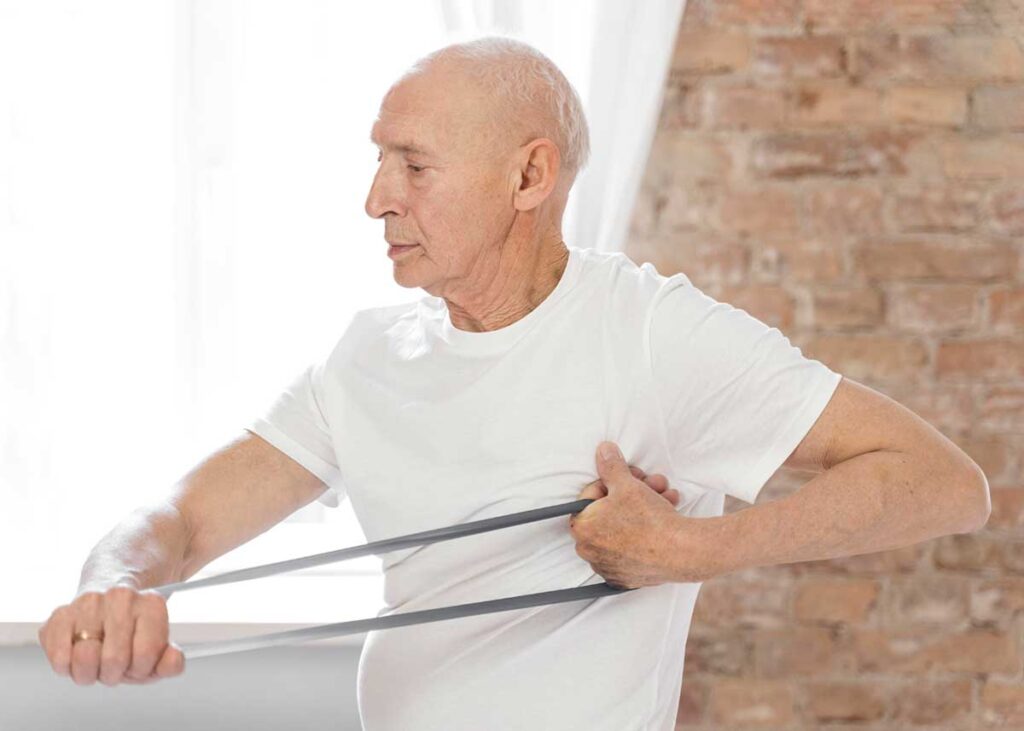
Rehabilitation is a crucial stage of recovery, involving physiotherapy, muscle strengthening, and restoring mobility. A physiotherapist will help older people use their arm again, perform stretching and strengthening exercises, and improve circulation.
At Vila Košuta care home, rehabilitation after an upper arm fracture includes
- Tailored physical exercises that help restore arm strength and flexibility.
- Assistance with daily activities, such as dressing and eating, during the recovery period.
- Medical care and closer monitoring, which speeds up recovery and reduces the risk of complications.
An upper arm fracture in older people can have long-term effects, but with proper medical care, rehabilitation, and support, a full recovery is possible.