
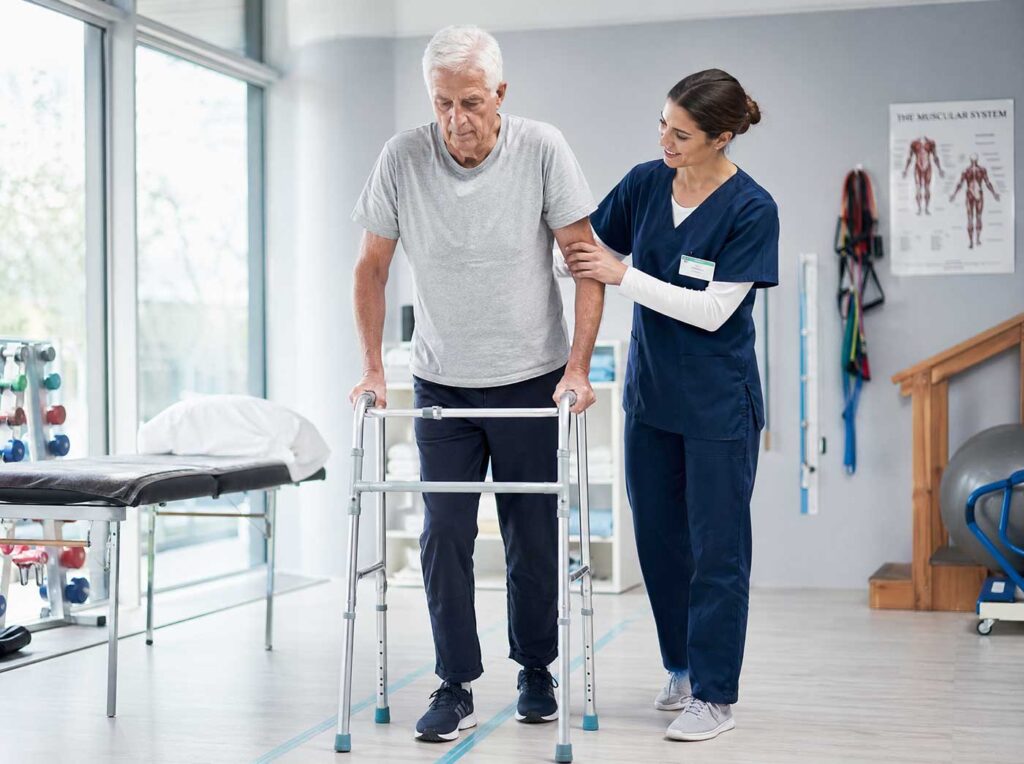
Stroke and the Critical Days: The Basics of Recovery
When an elderly person suffers a stroke, the family is suddenly faced with countless questions and fears. The critical days following a stroke represent a period of great instability, during which the patient remains vulnerable to new complications. Although the acute phase of hospital treatment may be over, the risk does not end the moment discharge papers are signed. According to experts, the first 48–72 hours are decisive for the outcome, as the chances of improvement or deterioration are highest during this time. That is why organized support and proper care are essential throughout this period.
What Are the Critical Days After a Stroke?
The “critical days” usually refer to the first few days after a stroke, most commonly the first 2–3 days, when the patient is stabilizing after emergency treatment. During this period, brain cells begin the process of recovery and forming new neural connections (neuroplasticity), while the body itself remains highly vulnerable. Complications can escalate quickly, especially if infections or another stroke occur. This is why specialists insist on close monitoring of vital signs and rapid medical response.
The Most Common Complications During the Critical Days
In the first days after a stroke, several specific risks must be carefully monitored:
Aspiration Pneumonia
Research shows that approximately 5.8% of patients hospitalized after a stroke develop aspiration pneumonia. This is a lung infection caused by food or saliva entering the airways, increasing the risk of death fivefold. It is especially important to recognize swallowing disorders (dysphagia) early and prevent aspiration through proper feeding techniques.
Pressure Ulcers
In immobile patients, insufficient repositioning and prolonged pressure on the skin can lead to pressure sores within just 1–2 days. Patients must therefore be repositioned regularly, at least every two hours, and anti-decubitus mattresses should be used to protect both the skin and muscles.
Vascular Instability
Sudden fluctuations in blood pressure or the formation of new blood clots can trigger another stroke. Continuous blood pressure monitoring and timely antiplatelet therapy, such as aspirin, are essential in preventing these risks.
Deep Vein Thrombosis and Pulmonary Embolism
Prolonged immobility may lead to blood clots forming in the legs, which can later cause pulmonary embolism. Preventive measures include mild anticoagulant therapy and gentle leg exercises to reduce the risk.
Dehydration and Metabolic Disorders
Swallowing difficulties and reduced fluid intake often lead to dehydration, which can worsen the patient’s condition. For this reason, fluids should be offered frequently in small sips. Good oral hygiene also helps prevent lung complications and lowers the risk of pneumonia.
This is the stage where enhanced medical care becomes crucial. Licensed nursing homes with experienced medical staff provide advantages that are difficult to organize at home: 24/7 supervision, specialized personnel, and professional medical equipment. Combined with the beginning of rehabilitation, a professional team can quickly recognize danger signs and react before permanent damage occurs.
Nutrition and Dysphagia Care
One of the most dangerous consequences of a stroke is dysphagia, meaning difficult or impossible swallowing. Without proper feeding, food can enter the lungs and cause aspiration pneumonia.
At Vila Košuta, nutrition is considered part of the therapy itself:
- Patients are fed in a seated position using specialized utensils that make eating easier.
- Food consistency is carefully adapted, ranging from pureed meals and soft foods to mechanically minced meals, depending on the degree of dysphagia.
- Fluid intake is regularly monitored and recorded, while high-calorie drinks are offered if regular intake is reduced.
- If the patient cannot consume sufficient quantities orally, feeding tubes (nasogastric or PEG) are considered. Enteral feeding is recommended within seven days if oral feeding cannot be safely performed.
- Even when patients can eat orally, hydration requires special attention, as elderly individuals often lose their natural sense of thirst. Frequent reminders to drink and monitoring fluid intake help prevent dehydration.
Proper nutrition and hydration are directly connected to faster tissue regeneration and better tolerance of rehabilitation exercises.
Physiotherapy: From the First Movement to the First Step
Rehabilitation should begin as early as possible, even before the patient leaves the hospital. Specialists emphasize that early mobilization prevents muscle loss, contractures, and additional complications such as deep vein thrombosis.
Days 1–3
Passive and assisted exercises are performed in bed. The therapist gently moves the affected limbs to prevent joint stiffness. Breathing exercises, including deep inhalations, are also introduced to open the lungs and reduce secretion buildup.
Pressure Ulcer Prevention
The patient is repositioned every two hours using anti-decubitus mattresses to prevent skin breakdown.
Days 4–10
Sitting exercises begin gradually with the support of a physiotherapist. The patient is slowly brought into a seated position at the edge of the bed, improving circulation and stabilizing blood pressure.
Day 10 and Beyond
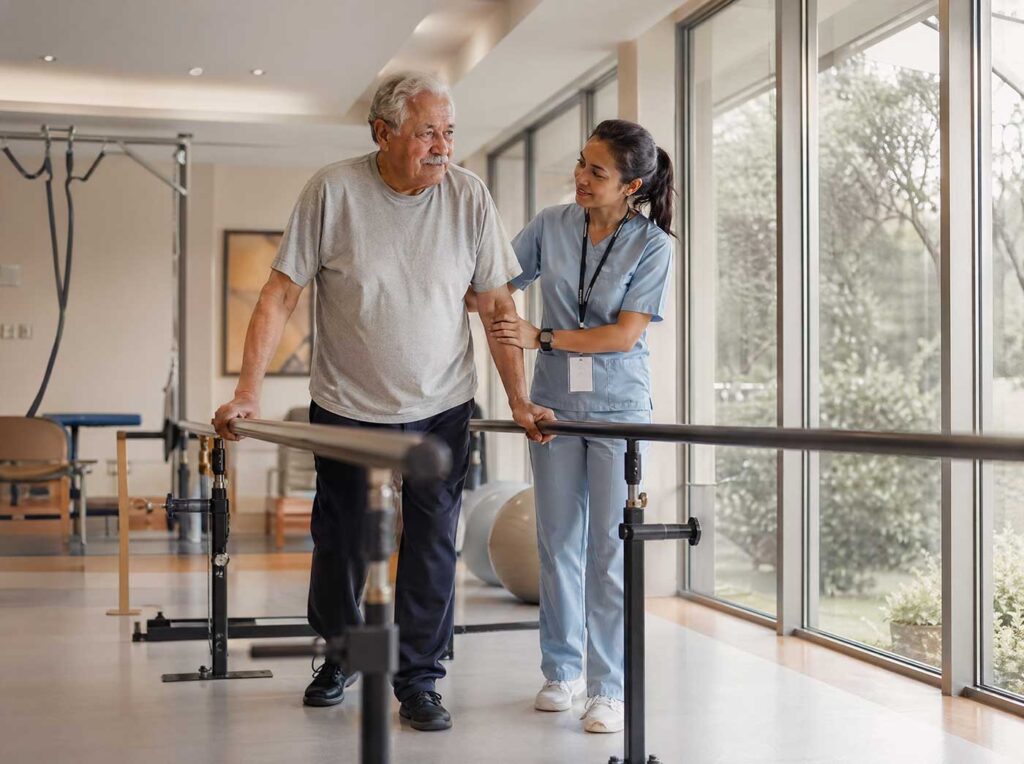
Once the patient’s condition becomes more stable, more intensive training begins. The patient is gradually assisted into a standing position using parallel bars or standing devices, stimulating circulation and preventing muscle atrophy. Walking is relearned step by step, initially with walkers or support aids, and later with partial assistance. Every new step significantly improves confidence.
At the same time, fine motor skills are practiced. Patients attempt to hold a spoon or write again, because even the smallest improvement represents major progress.
Recovery is a team effort. Combining physiotherapy with daily activities such as meals, hygiene, and entertainment motivates the patient to participate actively, strengthening the overall effect of therapy. Vila Košuta nursing home is equipped with rehabilitation tools such as weights, walkers, and parallel bars that support faster recovery of function. The earlier the rehabilitation program begins, the better the results, as even short hallway walks help rebuild neural pathways and prevent further muscle deterioration.
Psychological Support and Socialization
A stroke is not only a physical trauma but also an emotional one. Alongside physical consequences, patients often experience fear, confusion, and depression. Around 30% of stroke survivors develop depression. Aphasia, meaning the loss or impairment of speech, further isolates the patient. The person remains fully aware but struggles to communicate, leading to frustration.
This is why psychological support is an essential part of treatment:
Patient Communication
Staff members speak slowly and allow the patient enough time to respond. We never interrupt communication attempts, because this approach reduces anxiety and builds trust.
Social Activities
Spending time with peers and participating in daily activities such as socializing in common rooms, watching favorite TV programs, or music therapy stimulates the brain far more effectively than isolation. Shared activities encourage patients to keep trying.
Adapted Workshops
Even with aphasia, creative workshops such as music or art therapy can be organized. These activities do not rely on verbal communication and still provide a sense of achievement.
Family Support
Family members also experience stress and guilt. At our facility, we educate families about communication techniques and recovery expectations. This helps everyone feel like part of the recovery team and restores dignity to the relationship with their loved one.
Rehabilitation is a continuous process. As the body becomes stronger, activity levels gradually increase. From sitting for a few seconds to walking again, every step matters. While physical abilities recover, emotional support and motivation progress alongside them. The shared goal is to help the patient maintain as much independence and quality of life as possible.
Home Care vs. Nursing Home Care
| Home Care | Nursing Home Care | |
|---|---|---|
| Advantages |
|
|
| Disadvantages |
|
|
| Costs (Approximate) |
|
|
| Who It Is Suitable For |
|
|
Why Choose Vila Košuta for Stroke Recovery?
Private nursing homes provide teams whose sole focus is the health and well-being of their residents. At Vila Košuta, we guarantee:
Medical Excellence
24/7 supervision by nurses and doctors who can immediately recognize and respond to signs of deterioration.
Multidisciplinary Team
Physiotherapists, nurses, caregivers, and cooks work together to ensure that every aspect of care is optimized.
Convenient Location
We are located in Karaburma, close to the city center, making family visits easier and more frequent.
Comfort of Home
The facility is designed to feel warm, welcoming, and functional, creating a true sense of home. We use gentle detergents and maintain the highest hygiene standards.
Licensed Care
We operate according to the strict standards of the Ministry. Our licenses are valid through 2027, confirming the quality of the care we provide.
A Nursing Home Is Not Giving Up, but a Chance for a New Beginning
Bringing a parent to a nursing home after a stroke is not “giving up” or abandoning them. On the contrary, it is often the most responsible decision a family can make. It gives your loved one the opportunity to receive professional rehabilitation that is extremely difficult to provide at home, despite all the love and effort of the family.
At Vila Košuta, we become your partners in ensuring a dignified and supported life for your loved ones.
FAQ (Frequently Asked Questions)
What exactly do we mean by the “critical days” after a stroke?
The critical days are the first 48–72 hours after a stroke, when the risks to life and body functions are the highest. During this period, the patient remains unstable due to brain damage and requires enhanced medical care.
When should emergency services be called immediately?
If new symptoms appear during the critical days, such as sudden worsening weakness, loss of speech, severe headache, or loss of consciousness, emergency medical help should be called immediately. Any signs of infection, such as high fever or thick mucus secretions, also require urgent medical evaluation.
How can aphasia be recognized and treated?
Aphasia is a speech impairment caused by a stroke. It is recognized when a person understands speech but cannot pronounce words correctly or struggles to speak at all. Treatment includes speech therapy and communication exercises. Patience is essential, as both therapists and family members should support every attempt at communication using simple speech and nonverbal cues.
How is dysphagia treated in elderly stroke patients?
The first step is a swallowing assessment, followed by adapting food consistency to the patient’s abilities, such as pureed, soft, or mechanically modified meals. In more severe cases, feeding tubes (nasogastric or PEG) may be required. Nutrition is supervised by specialists, including speech therapists and nutritionists, while feeding is performed in an upright position and at a slow pace.
How long does stroke rehabilitation last?
Noticeable improvements may appear within several weeks, but full recovery can take months or even years, depending on the severity of the stroke. The key is consistency in exercises and therapy, with gradual increases in activity levels. Rehabilitation often continues at home or through outpatient programs after leaving the nursing home.
When is it time for nursing home placement, and when can care be organized at home?
If the patient remains mostly independent or only requires minimal assistance with walking and daily activities, home care with occasional medical supervision may be sufficient. However, if continuous assistance with basic activities or 24/7 medical supervision is required, a nursing home is usually the safer option. Frequent infections, immobility, or sudden health changes are strong indicators that professional care may be necessary.
How can another stroke be prevented?
Controlling risk factors is essential. Blood pressure should be monitored regularly, prescribed therapies for hypertension, cholesterol, and diabetes should be followed strictly, and all medical instructions should be respected. A healthier diet rich in vegetables, oily fish, and omega-3 fatty acids, combined with smoking cessation and moderate physical activity, can significantly reduce the risk. Regular neurological checkups are also important for ongoing monitoring.
What are the indications for nursing home placement?
If you notice that your loved one has become highly dependent, experiences frequent infections such as pneumonia, significant weight loss, or frequent disorientation, it may be time to consider nursing home placement. Professional care can significantly improve both the quality of life and the speed of recovery.