Swallowing Problems in the Elderly – Dysphagia
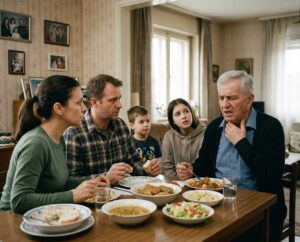
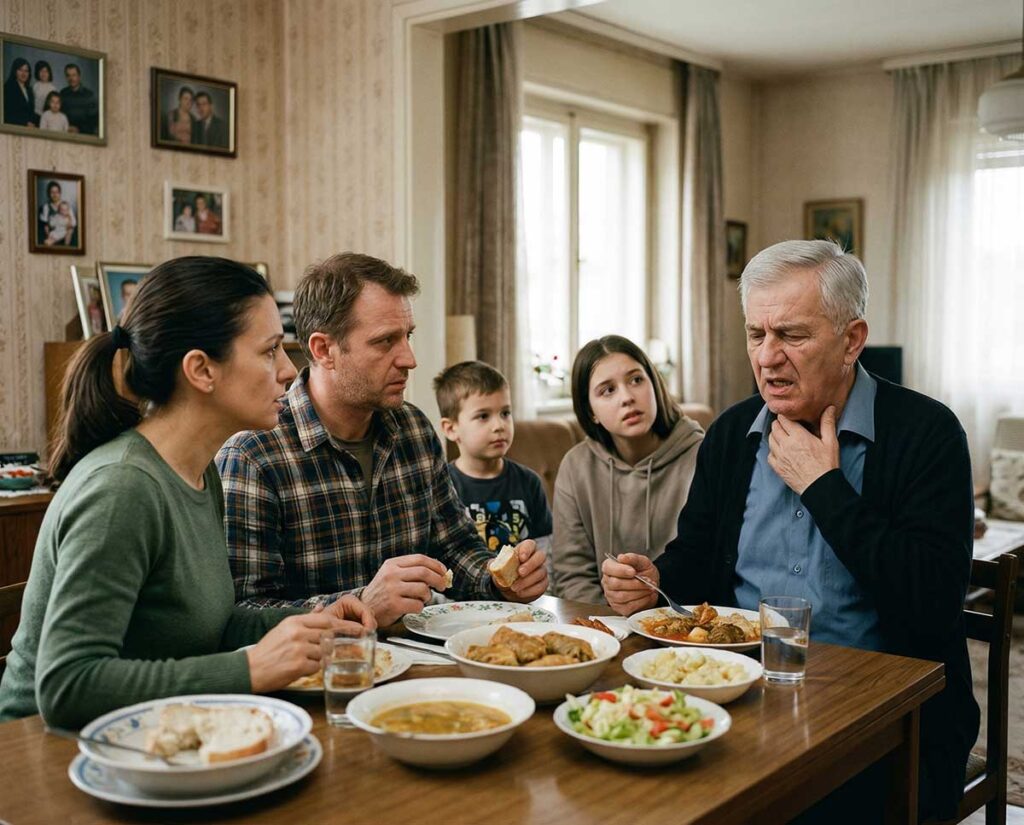
Shared meals have been the heart of your family for decades — moments of laughter, conversation, and closeness. However, in recent months, you’ve noticed a change. Your parent chews longer, frequently coughs during meals, or their eyes water after a sip of water. Once-favorite dishes remain untouched, and the atmosphere at the table becomes tense, filled with your concern and their effort.
Dysphagia, the medical term for difficulty swallowing, affects a large percentage of the elderly population, especially those recovering from a stroke or living with dementia and Parkinson’s disease. Although it may seem like a “natural” part of aging, it is actually a warning sign that should not be ignored.
What is Dysphagia and Why Does It Occur
Swallowing is one of the most complex processes in the human body. It involves the coordination of over 50 muscles and numerous nerves. In older adults, this mechanism can fail for several reasons:
- Sarcopenia (loss of muscle mass): The muscles of the tongue and throat weaken, just like the muscles in the legs.
- Neurological damage: In dementia, the brain may “forget” how to coordinate swallowing, or the person may stop recognizing food in their mouth.
- Xerostomia (dry mouth): A lack of saliva, often caused by medications, prevents the formation of a soft food bolus that can easily move down the throat.
- Reduced cough reflex: This is the most dangerous factor. If food goes “the wrong way,” the elderly person often cannot cough strongly enough to expel it.
How to Recognize Symptoms of Dysphagia
We often think of dysphagia as dramatic choking. Unfortunately, the signs are usually much more subtle and easily overlooked at home:
- A “wet” voice: gurgling or moist-sounding voice after eating or drinking
- Multiple swallows: needing to swallow the same bite two or three times
- Drooling or food leakage: inability to fully close the lips
- Watery eyes or runny nose during meals: neurological signs of excessive effort
- Avoidance of food: fear of eating leading to rapid weight loss and dehydration
Aspiration Pneumonia
When the swallowing mechanism fails, food, liquid, or even saliva can enter the airway and lungs instead of the esophagus. This is called aspiration.
At home, “silent aspiration” often occurs — the patient does not choke, but small food particles continuously enter the lungs, carrying bacteria from the mouth. The result is aspiration pneumonia, which is extremely difficult to treat in the elderly and, unfortunately, one of the leading causes of death. This is why oral hygiene in immobile patients and those with dysphagia is just as important as nutrition itself.
Practical Tips for Safe Feeding at Home
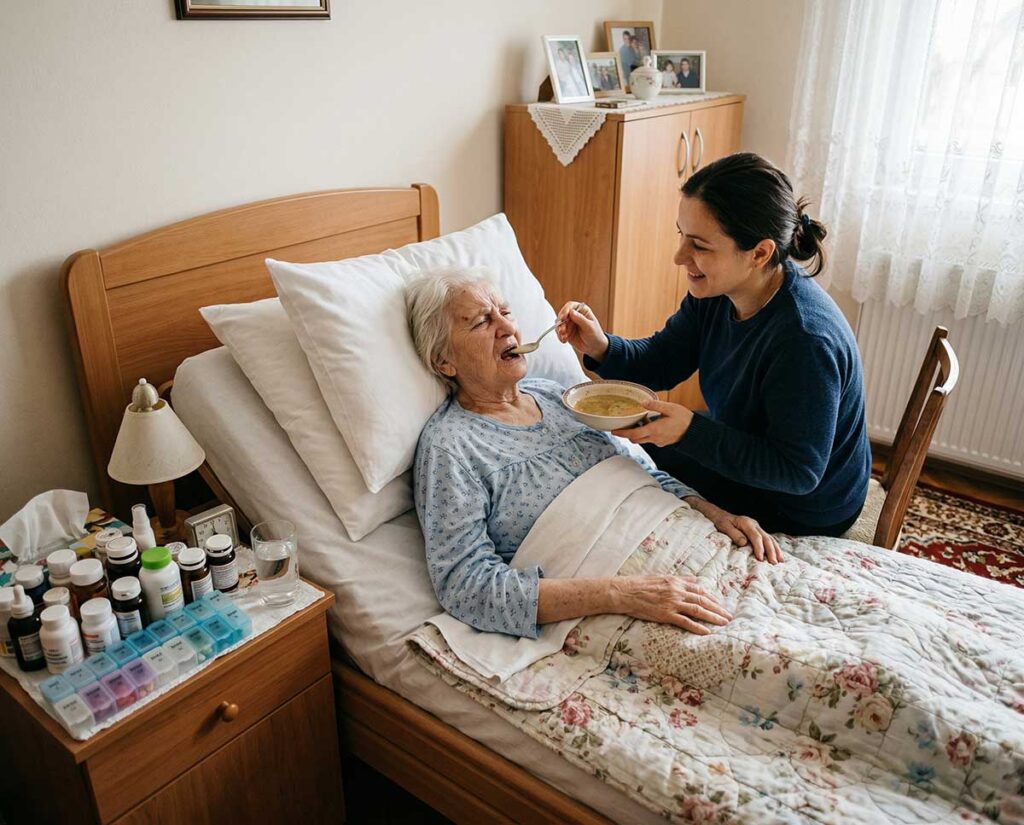
If you decide to care for a person with this condition yourself, meals must be treated as a medical procedure.
- Body position is crucial
Never feed a person who is lying down or semi-reclined. Ideally, they should sit at a 90-degree angle with feet on the floor. Even after eating, they should remain upright for at least 30–45 minutes so gravity can help food pass safely. - “Chin to chest” technique
Although it may seem counterintuitive, slightly tilting the head forward during swallowing actually widens the esophageal entrance and better protects the airway. Never tilt the head backward while drinking, as this directly opens the path to the lungs. - Modifying food and drink textures
This is the most demanding part of home care.
- Thickening liquids: Plain water is the hardest to swallow because it moves quickly. Special powders can turn it into a nectar- or honey-like consistency, giving throat muscles more time to react.
- Avoid mixed textures: Foods like soup with noodles or juicy fruits (e.g., oranges) are dangerous because the brain receives conflicting signals.
- Proper pureeing: Food should not just be mashed randomly. It must be smooth, lump-free, and visually appealing to stimulate appetite.
- Eliminate distractions
During meals, the TV must be off. No talking, laughing, or rushing. The patient must focus entirely on each bite. Any distraction increases the risk of swallowing errors.
When Home Care Stops Being Safe
As a family, you are doing your best. Still, preparing five or six specially textured meals daily and constantly supervising every sip leads to serious physical and mental exhaustion.
When the first signs of respiratory infections appear, unexplained fever, or drastic weight loss, it is a clear signal that professional medical support is needed.
Dysphagia is not just a feeding issue — it requires a team of speech therapists, nutritionists, and trained nurses.
Vila Košuta: A Professional Response to Dysphagia Challenges
At Vila Košuta nursing home, we understand that nutrition for patients with dysphagia is much more than calorie intake. It is about preserving life and restoring dignity.
Why families choose us:
- Individualized meal plans: Our chefs, in cooperation with medical staff, prepare meals tailored to each patient’s level of dysphagia.
- Professional supervision during every meal: Our nurses and caregivers are trained to detect early aspiration and ensure proper feeding techniques.
- Focus on hydration: Strict protocols ensure adequate fluid intake through modified textures.
- Palliative care and comfort: For advanced stages, we provide comprehensive support focused on quality of life and comfort.
A Location That Makes Care Easier
Located in Palilula, Karaburma, just 300 meters from BIG Fashion shopping center, we allow you to stay actively involved without logistical stress. You can visit daily, speak with our team, and ensure the highest standards of care.
Choose Safety Over Fear
Watching a parent struggle with every bite is deeply distressing. The fear that the next sip could cause choking is a burden you don’t have to carry alone.
Moving to a licensed care facility is not giving up — it is choosing professional medical support your parent needs at this stage of life.
At Vila Košuta, we offer more than accommodation. We provide a safe haven where every detail — even the smallest bite — is handled with expertise and care.
Come talk to us about your parent’s needs. We are here to help you make a decision that brings you peace and ensures a dignified and safe life for your loved one.