
When Is It Time to Move to a Nursing Home
The decision to entrust the care of a parent to an institution is one of the most emotional and difficult turning points in any adult’s life. An internal conflict often arises: on one side is the promise that you will “always take care of them,” and on the other is the harsh reality showing that their safety at home is no longer guaranteed.
In Serbia, we are witnessing increasingly complex health challenges among the elderly population. As part of the so-called “sandwich generation,” torn between career, our own children, and caring for aging parents, we often overlook subtle signs of decline until a fall or serious medical incident occurs.
The real question is not: “Do I want to help?” (because the answer is always yes), but rather:
“Does my mother or father now need medical care that I, as a non-professional, cannot physically or professionally provide 24/7?”
Here are five key indicators that it may be time to transition to a professional care environment such as Vila Košuta.
Home and Personal Hygiene: The Silent Alarm of Cognitive Decline
The first signs that a person can no longer manage independently are rarely dramatic. They hide in small details that are easy to overlook.
If during a visit you notice expired food in the refrigerator, unpaid utility bills piling up, or that your parent, once impeccably neat, has been wearing the same stained clothes for days, these are serious warning signs.
What is happening behind the scenes?
Neglect of the living environment often masks what gerontologists call executive dysfunction. This is not simple forgetfulness. It is a condition in which the brain can no longer plan and execute the complex steps required for daily living. Tasks like laundry, grocery shopping, and personal hygiene become overwhelming.
Neglecting personal hygiene also carries direct health risks:
- Urinary tract infections (UTIs): Poor hygiene can quickly lead to infections that cause sudden confusion and delirium, often mistaken for dementia.
- Skin infections: Lack of regular hygiene leads to irritation, rashes, and wounds that are difficult to heal.
Medication Errors and Safety Risks (Fear of Medication)
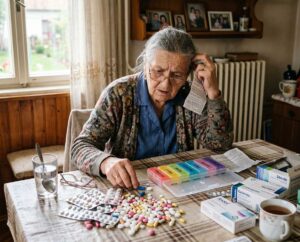
Managing medications in older adults, known as polypharmacy, is extremely complex. Even the most careful parent can become confused by multiple prescriptions.
Missing a blood pressure pill is risky, but taking a double dose of insulin, blood thinners, or strong painkillers is one of the most common causes of emergency hospitalizations in Belgrade.
Beyond medication, the home environment itself presents serious risks:
- Fire hazards: Burn marks on cookware indicate forgotten appliances. In older buildings with outdated installations, this can quickly escalate into disaster.
- Falls at home: Unexplained bruises on arms or hips often mean a fall has already occurred, but your parent may hide it out of fear of losing independence.
- Architectural barriers: High bathtubs, narrow hallways, and loose rugs become dangerous obstacles for someone with impaired balance.
Why is a private care home the solution?
Vila Košuta holds an official license from the Ministry, which requires strict protocols. Our nurses manage medication schedules with precision, ensuring the right dose at the right time. The facility is built according to modern fire safety standards and adapted for mobility aids, significantly reducing the risk of injury.
Social Isolation: The “Invisible Disease” That Accelerates Dementia
Loneliness is not just an emotional issue, it is biologically dangerous. Humans are social beings, and in older adults, isolation acts as a catalyst for cognitive decline.
Studies show that chronic loneliness accelerates dementia faster than many physical illnesses.
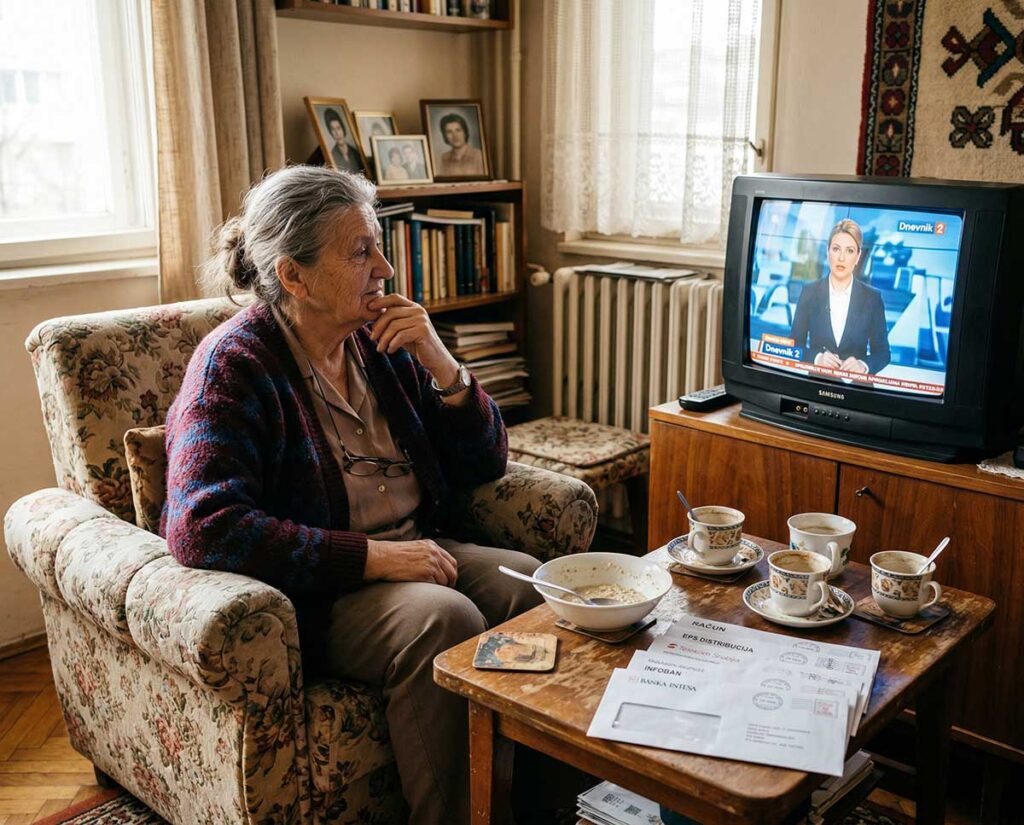
Many elderly people spend up to 20 hours a day alone, watching television. This leads to:
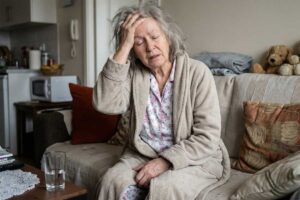
- Depression: Often expressed through physical symptoms (somatization)
- Apathy: Loss of motivation for eating, movement, and life itself
When your parent stops going for walks, avoids phone calls, or withdraws socially, they do not just need supervision, they need community.
At Vila Košuta, social interaction is part of therapy. Conversations, shared meals, and structured activities keep the mind engaged and provide a sense of belonging that an empty home cannot offer.
Sudden Weight Loss and Nutritional Neglect
Preparing a healthy meal requires effort: shopping, standing, cooking, and handling food. Many elderly individuals switch to quick, nutritionally poor options, leading to a rapid decline in immunity.
At Vila Košuta, we place special emphasis on nutrition. For residents with chewing or swallowing difficulties (dysphagia), we provide tailored dietary plans.
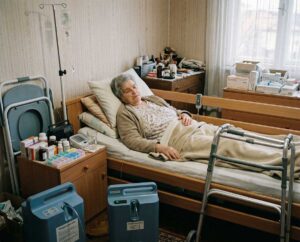
This is where our expert palliative care becomes essential, not only for end-of-life stages, but for maintaining comfort and quality of life in chronic illness and physical decline.
Your Exhaustion (Caregiver Burnout)
This is the sign that is least talked about, yet most deeply felt.
If you are chronically sleep-deprived, constantly anxious about late-night phone calls, and your personal and professional life is suffering, you are no longer able to provide quality care.
By entrusting care to professionals, you are not stepping away from your parent’s life. You are returning to your role as a son or daughter.
Instead of being an exhausted caregiver managing hygiene and medication, you become someone who visits with warmth, brings a smile, and spends meaningful time together.
Why Choose Vila Košuta?
We understand that the market is flooded with unlicensed facilities offering low prices at the expense of safety.
Vila Košuta is a licensed nursing home in Palilula that combines medical excellence with the warmth of a home environment. Its location, near major transport routes, allows you to visit your parent easily and frequently.
A nursing home is not a failure. It is a responsible decision to provide your parent with the best possible quality of life in a safe, clean, and professionally managed environment.
Want to See Our Standards for Yourself?
Do not wait for a fall or a medical crisis to start exploring options.
Call us and schedule a visit. See our palliative care in action, experience the atmosphere, and get answers to all your questions about pricing and admission procedures.
We are here to help you make the best decision for your family.