
Dehydration in older people
Dehydration is a condition caused by a reduced level of fluids in the body, which in older people can lead to serious health problems. Natural changes associated with ageing affect fluid and electrolyte balance, meaning the body becomes less able to recognise the need for fluid intake.
For this reason, systematic monitoring of hydration is one of the key elements in preserving health and quality of life in older adults.
Why are older people particularly prone to dehydration?
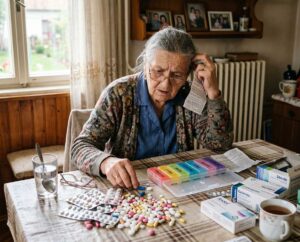
Older people are more susceptible to dehydration due to natural physiological changes, chronic illnesses, and ongoing therapies. With age, the percentage of water in the body decreases, the kidneys retain fluids less efficiently, and the sense of thirst becomes weaker. Many older people deliberately reduce fluid intake to avoid frequent urination, especially at night. Treatments that include diuretics, laxatives, or blood pressure regulating medications further increase fluid loss.
These changes make older people particularly vulnerable to dehydration, even when fluid loss appears minimal.
How does dehydration develop in older people?
Dehydration in older adults often develops gradually and without clear warning signs. The main causes include insufficient fluid intake, a reduced sense of thirst, and changes in kidney function. Increased fluid loss may occur due to excessive sweating, raised body temperature, diarrhoea, vomiting, or treatments that have a diuretic effect.
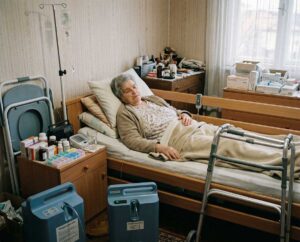
Reduced mobility or fear of frequent urination can further limit fluid intake, meaning that symptoms such as fatigue, dizziness, and confusion often appear only once dehydration has already become more pronounced. Prevention and regular monitoring of fluid intake are essential to avoid serious consequences.

Symptoms of dehydration in older people
Symptoms of dehydration in older adults can be subtle, but they are extremely important for early recognition.
- Dry mouth and tongue – reduced saliva production is often the first sign of low fluid intake
- Dark coloured urine and infrequent urination – indicating that the kidneys are conserving water due to deficiency
- Fatigue and weakness – reduced fluid volume affects the delivery of oxygen and nutrients to cells
- Dizziness and unsteady walking – dehydration can lead to low blood pressure and an increased risk of falls
- Confusion and reduced concentration – particularly common in older people and often mistakenly attributed to ageing
- Dry, less elastic skin – the skin returns more slowly to its normal position after gentle pressure
Possible consequences of untreated dehydration
Untreated dehydration can lead to a range of serious health problems.
- Electrolyte imbalance – causing weakness, disorientation, and disturbances in heart rhythm
- Reduced fluid intake places strain on the kidneys, increasing the risk of acute kidney injury
- Higher risk of urinary tract infections, low blood pressure, falls, injuries, and fractures
- In people with chronic conditions, dehydration can lead to worsening of underlying health problems
In more severe cases, hospital treatment may be required, which can significantly affect an older person’s quality of life.
For more advice on reducing the risk of falls in older people, read our blog on fall prevention in older adults.
Treating dehydration in older people
Treatment depends on the severity and cause of fluid loss. In mild cases, increasing water intake, herbal teas, soups, and fluids taken little and often throughout the day is usually sufficient. Fluid intake should be adjusted to individual needs, taking into account body weight, age, chronic conditions, and ongoing treatments.
In moderate and severe cases, especially when symptoms such as confusion, weakness, or low blood pressure occur, close medical supervision is required and intravenous replacement of fluids and electrolytes may be necessary.
At Vila Košuta, each resident has an individual hydration monitoring plan, including daily fluid intake records, monitoring for signs of dehydration, and regular consultations with healthcare professionals. This enables timely intervention and reduces the risk of complications.
Preventing dehydration in older people
Prevention is essential for maintaining health and quality of life. The recommended daily fluid intake is around 30 ml per kilogram of body weight, which means that a person weighing 70 kg should consume approximately 2 to 2.2 litres of fluid per day. This intake includes water, teas, soups, and fruit and vegetables with a high water content.
Fluid intake should be adapted to age, level of activity, the presence of chronic conditions, medical treatments that may affect fluid balance, and environmental conditions. Particular attention should be paid during hot weather, illness, or reduced mobility. Drinking fluids regularly, even without a strong sense of thirst, and tracking daily intake through simple plans or records can significantly reduce the risk of dehydration.
The importance of continuous hydration for quality of life in older people
Regular and adequate hydration is vital for maintaining both physical and mental health. It improves concentration, stability while walking, proper body function, energy levels, and overall vitality.
Investing in dehydration prevention means ensuring a better, safer, and more dignified quality of life in later years.
Monitor fluid intake in your loved ones and help ensure a safe and healthy older age at Vila Košuta.